
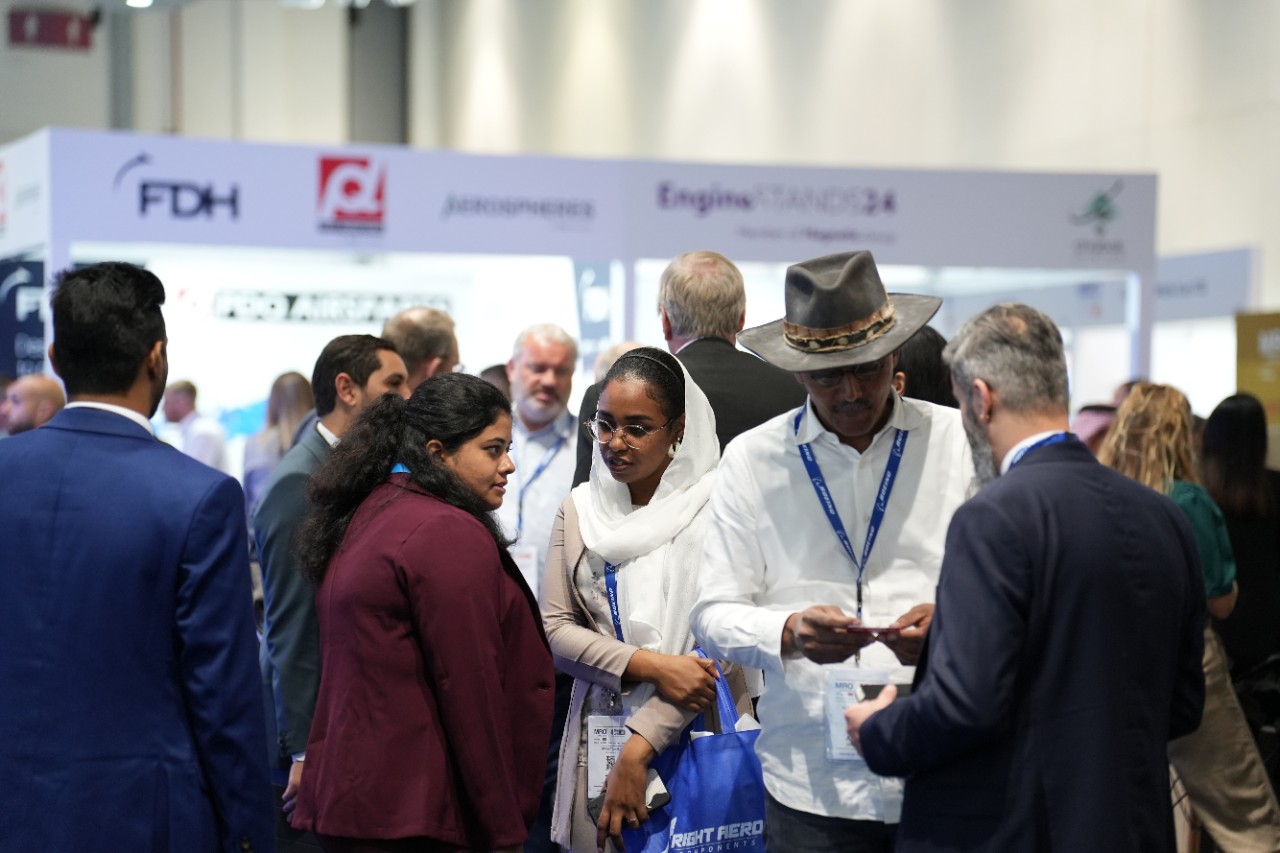
If there was a single takeaway from the 2026 edition of MRO Middle East, it’s that the region is no longer just a growth market, it’s the engine room of global aviation.
But for the regional and low-fare sectors, that engine is running hot – and the challenge is finding the MRO hangar space and parts to keep their aircraft flying.
Production inspection – a crucial tool
One of the week’s most telling headlines came from flyadeal. The Saudi low-fare giant signed a five-year extension with Lufthansa Technik for its Aircraft Production Inspection Program (APIP). For an operator like flyadeal, which is navigating a massive influx of Airbus A320neos, these production inspections are a vital building block of operational reliability. When you’re running a high-use low-fare model, you cannot afford a single out-of-the-box defect from the OEM.
Joramco and the European connection
The regional sector also saw significant movement, most notably with Jordan-based Joramco securing a five-year heavy maintenance deal with Condor. While Condor is a German carrier, the deal highlights a growing trend as the Middle East becomes the go-to maintenance hub for European operators seeking high-quality, competitive turnaround times.
As European MRO capacity remains squeezed by labour shortages and aging infrastructure, the Amman-Dubai-Riyadh triangle is absorbing the overflow. For regional players, this export of services provides the scale needed to invest in the high-tech tooling required for next-gen narrowbodies.
Joramco, also announced new maintenance partnerships with two Uzbekistan-based operators, the low-fare carrier FLYONE Asia and full service airline Air Samarkand.
Soaring demand for avionics MRO
AMETEK MRO pointed out that the region’s harsh environmental factors of heat, sand, and humidity are accelerating the wear and tear on electronic components at an alarming rate and creating a growing market for avionics MRO services.
For a low-fare carrier operating 12-hour days in the desert, this is a ticking financial clock and airlines are moving past the “it would be nice to have data” phase. If you aren’t using AI to predict when a flight deck display or a sensor is going to fail in 50°C heat, you’re planning to fail.
The sustainability reality check
There was, of course, the mandatory talk of sustainability, but it felt more grounded this year. Instead of lofty 2050 SAF goals, the focus was on repair rather than replace. Companies like FACC were promoting advanced repairs to extend the life of existing components rather than flying in new parts from halfway across the world. For the regional and low-fare sector, where margins are thin, sustainability through frugality is a win-win.
Looking ahead
The Middle East fleet is projected to double by 2044, and low-fare carriers are leading the charge. But the pressure points, such as engine shop slot scarcity and the desperate need for qualified avionics technicians, are real.
The region has the cash and the vision, but as we look toward the rest of 2026, the winners won’t just be the airlines with the biggest order books, they’ll be the ones who secured their MRO slots and data partnerships back in February at the Dubai World Trade Centre.
Image: Joramco, MRO Middle East 2026

The European connection : Joramco and Condor staff at MRO Middle East in Dubai.



